
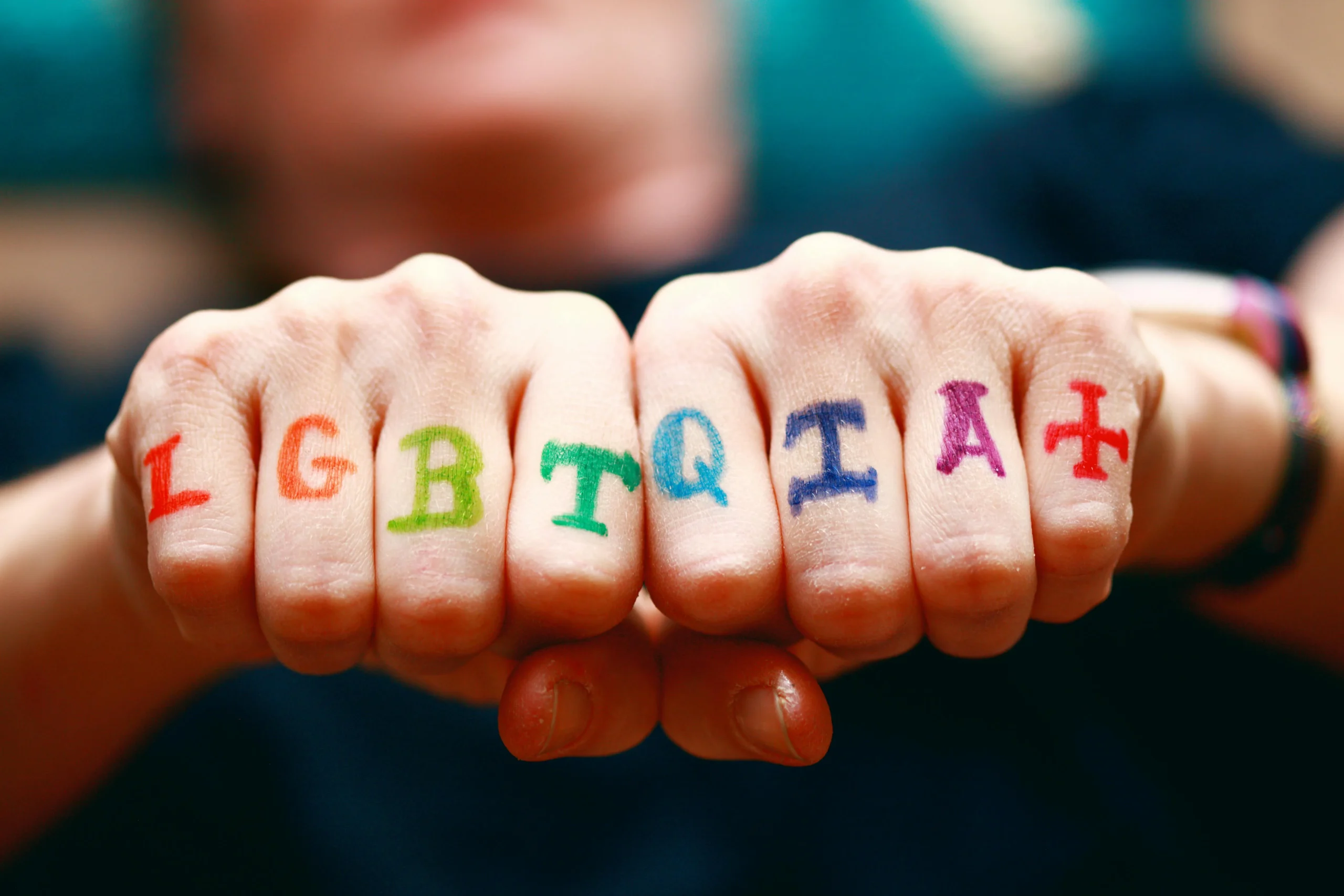
Our understanding of gender identity and sexual orientation has evolved over time. Some of the words we use today, like lesbian, transgender, or nonbinary, were not popular – or even existed – in certain periods of history.
Historians and researchers have different perspectives about how to explain sexual orientation and gender identity of people in history and what language is used. In my work, I have adopted the following guidelines, which is in no way definitive and ever-evolving.
Sexual Orientation
I have elected to use the term “sapphic” to describe people who were perceived as women throughout the majority of their lives and had emotional and/or physical romantic relationships with other people who identified as women throughout a majority of their lives. This includes people who we may today understand as nonbinary or transmasculine, but identified or were perceived as women in their time.
Similarly, the term “achilean” is used to describe people who were perceived as men throughout the majority of their lives and had emotional and/or physical romantic relationships with other people who identified as men.
The term “bisexual” is used to describe people who had romantic and physical relationships with people of all genders throughout their lives. While today many people employ “bisexual” as an identity, I use it as a way to describe behavior and experience in the past. For many, their sapphic or achilean experiences and sexual fluidity may not have been a central part of their identity due to societal and cultural norms of the time.
Gender Identity
Regarding people who may have been nonbinary or transgender in the contemporary understanding of gender identity, I use the word “gender non-confirming.” This includes people who were known to “cross dress” by wearing clothing considered appropriate for a gender other than that which they were assigned at birth. In some cases, these individuals were doing this to express their nonbinary or transgender gender identity, but may not always have been the case.
I have elected to use the adjectives “transmasculine” and “transfeminine” to describe the experience of someone who has considerable primary source evidence that someone lived as or felt they were a gender different from that which they were assigned at birth. Because the term “transgender” and the concept of transitioning in all aspects of life is modern, I have elected not to use that term.
In some contemporary settings, transgender women would use colloquial, non-academic/medical terms like “Queen,” to describe themselves. These terms are used interchangeably with modern terms in those respective profiles.
(Last Updated April 14, 2026)
Did that example spark some ideas for your organization?
Let’s connect to make those ideas a reality! Book a Discovery Call today.

Read More About LGBTQ+ History
Worcester & HIV Care | Queer Worcester Icons 2026
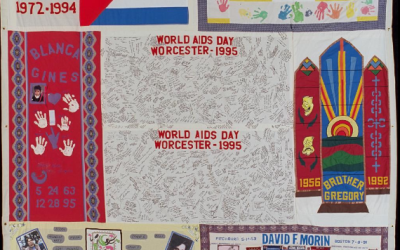
While the AIDS Crisis made headlines in large cities like New York City, smaller cities like Worcester were not spared. With little government or funding infrastructure, resources for HIV care and research were scarce. Worcester’s community response was bolstered by University of Massachusetts Chan Medical School (UMass) role at the forefront of HIV clinical research and care.
Frances Perkins | Queer Worcester Icons 2026
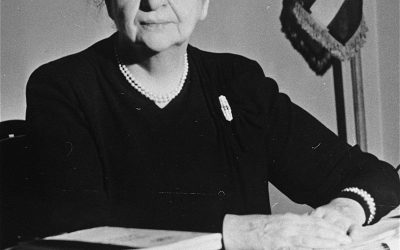
The workers’ rights we benefit from today are grounded in the legacy of Frances Perkins.

Elizabeth Bishop | Queer Worcester Icons 2026
While she avoided the public spotlight, Elizabeth Bishop’s lasting legacy places her among one of the “one of the most important American poets” of the 20th century.