Pride is about PEOPLE.
As LGBTQIA+ gain visibility and rights over the decades, more communities and companies are hosting events for Pride Month and throughout the year.
Whether you are a volunteer event planner or have been coordinating festivals for decades, it is important that your Pride activities embrace four central values: visibility, inclusion, economic empowerment, community care, and preparation.
This blog series, written in collaboration with Alli Thresher pulls together decades of wisdom from event producers, performers, and participants for developing an event that truly reflects LGBTQIA+ Pride.
Visibility
Inclusion
Economic Empowerment
Community Care
Preparation
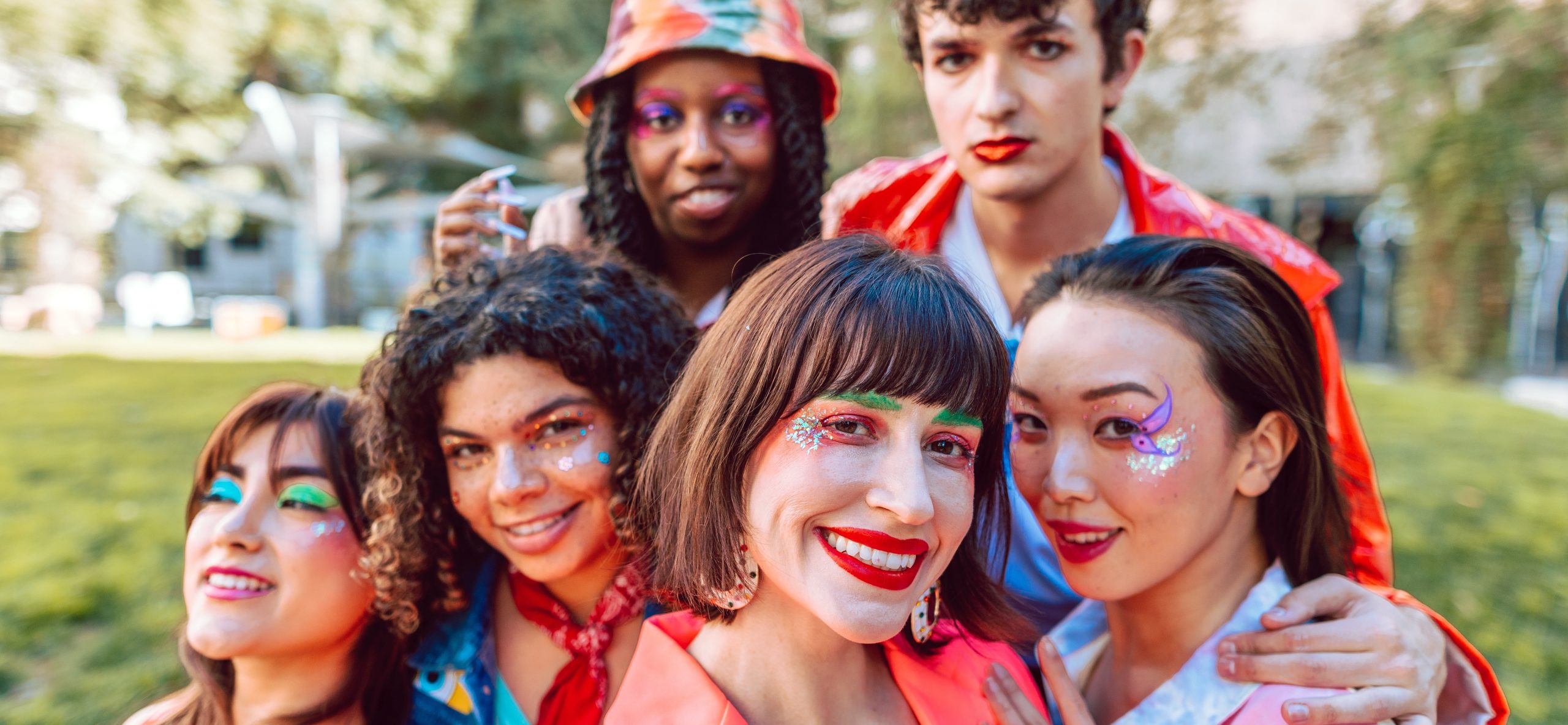
Pride is about INCLUSION
Everyone deserves to feel celebrated and affirmed as their authentic self.
When planning Pride events, consider the barriers to inclusion that might prevent that from happening. While we cannot anticipate every experience, we can consider how we are developing activities that support a range of experiences and abilities, so everyone has the opportunity to feel queer joy.
When we say visibility, we mean Host Activities for Every Community Member and Prioritize Accessibilty.
Host Activities for Every Community Member
Based on who has power, privilege, and visibility, Pride festivals in many large cities cater to young adults, often uncoupled, centered around parties.
However, these events can isolate members of the LGBTQIA+ community who do not have those interests or identities.
Whether you are planning a series of events, a large, or a small event, consider how you are including members of the queer community that are often neglected. Think about hosting sober events or offering a robust mocktail menu. Ensure that activities are relevant for families, tweens, and elders. Collaborate with religious and spiritual leaders to host queer services or discussion groups, and schedule around major religious holidays that mandate periods of rest or fasting, like Ramadan or Yom Kippur.
Remember that LGBTQIA+ is an acronym with many letters, reflecting identities that are not always acknowledged or understood within the community. Events should be inclusive for sapphic, asexual, and aromantic people, not only prioritize gay men.
Prioritize Accessibility
Throughout planning, accessibility should be at the forefront, ensuring that barriers to participation are limited.
One third of the LGBTQIA+ community lives with a visible or invisible disability. Accessibility is not just about wheelchair access, but must ensure that people can experience events to their full ability.
Providing comprehensive details of the event is essential to helping anyone plan their experience. This includes a schedule of activities, easy-to-understand map with food, restrooms, and information services clearly marked, parking and transportation instructions, and a description of the terrain.
Consider guests with hearing impairments by hiring an ASL interpreter or live captioning service. Performers can incorporate lyric videos into their acts, which supports both access and art. Test the volume of your audio to balance entertainment and clarity without risking anyone’s eardrums.
Offer sighted guides for individuals with visual impairments. Incorporate visual descriptions into scripts for hosts and MCs. If there are visual art exhibits, think about how tactile components can enhance the experience.
Ensure that you have sensory-friendly options, such as a quiet space and free fidgets. Staff and volunteers should be equipped to support individuals who may become overstimulated without exacerbating or stigmatizing their reactions.
Accessibility includes financial access as well. Balance paid and free activities so that every member can experience queer joy. Similarly, offer virtual and in-person experiences for those who are not able to leave their homes, whether that be due to disability, illness, safety, or transportation.
Accessibility should not be an after-thought. Embrace the principles of universal design to create an event everyone can experience to their fullest.
Upcoming “Pride is About People” Topics
Visibility
Inclusion
Preparation
Community
Care
Economic
Empowerment

How are you incorporating these values into your Pride event?
Need support planning your upcoming event?